- Visit us
- Call us:020 4549 8000
- Enquire online
Can support strengthen independence?
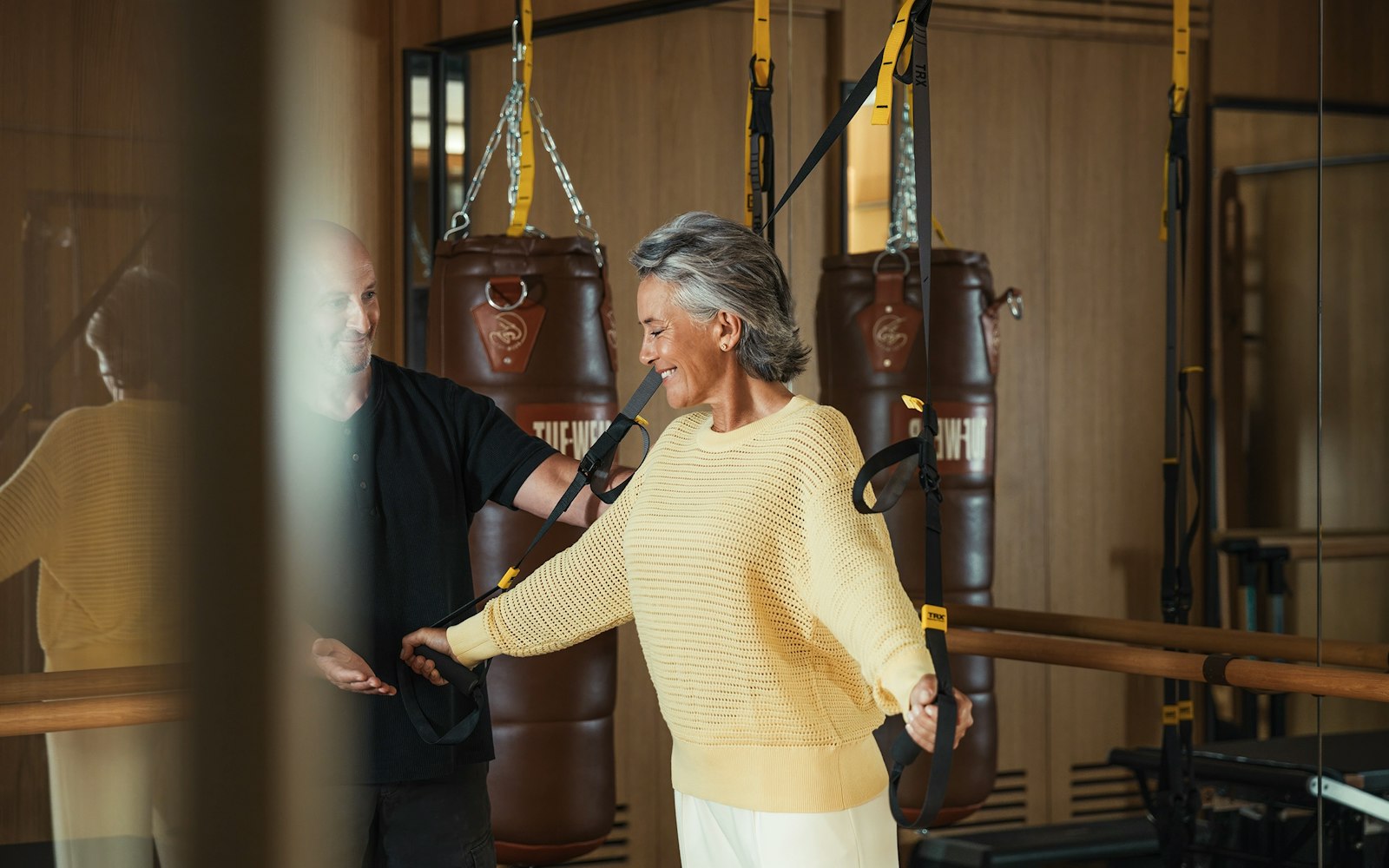
Accepting support can feel like the beginning of giving something up. But what if the right support does the opposite, quietly removing the demands that limit freedom, while leaving you firmly in control of how you live?

- Article
- Quote
- Related Considerations
- Auriens perspective
- More Reading and Listening
The art of making support disappear
Independence is closely bound to identity, privacy and control. Which is perhaps why the prospect of accepting more support can feel so consequential. Few people relish the idea of having their lives organised around the help they might one day need.
But perhaps the distinction lies not in whether support exists, but in how it is experienced.
At Auriens, much of it is deliberately difficult to see. A concierge remembers how you prefer things done. Housekeeping notices what needs attention before it becomes a task. A table can be arranged for visiting friends; travel plans handled; a prescription collected; an appointment coordinated. Hospitality, wellbeing and healthcare teams communicate with one another behind the scenes. Should you return from hospital or need additional help for a period, that support can be introduced without requiring daily life to reorganise itself around it.
Individually, these may seem like small things. Collectively, they change the texture of a day. The mental list of things to arrange, remember, maintain and anticipate becomes shorter. Decisions become more spontaneous because fewer practicalities stand between an idea and acting upon it.
This is where support and independence cease to be opposites. The purpose is not to do things for someone that they would rather do themselves, but to understand which things they no longer wish to spend their time doing at all.
There is a certain sophistication to getting this right. Support that constantly announces itself can make a person feel managed; support that anticipates, connects and recedes when it is not required can have the opposite effect. It protects privacy and personal rhythm while providing the confidence that, should something change, the right people already know how to respond.
Perhaps this is a more useful definition of independence in later life. Not proving that everything can still be managed alone, but retaining control over what deserves our attention and what does not. At its best, support does not occupy more of life. It gives more of life back.
Before I moved, I imagined support would be much more noticeable. In reality, I’m barely aware of it. Things are often anticipated or taken care of before I even think to ask. I simply get on with my life, knowing that if something changes, the right people are already there and know me. My children have that reassurance too, without feeling they need to worry or check in. It’s given all of us a greater sense of freedom.
Auriens Resident
Related Considerations
What does independence really mean today?
One of the things residents teach us is that independence is rarely about doing everything yourself. It is about retaining control over the decisions that matter: how you spend your day, where you go, who you see and how you choose to live. Having someone arrange a journey, take care of...
What happens when your needs change?
Support in later life is rarely a straight line. Additional help may be useful while recovering from an operation, following an illness or simply during a more demanding period, and no longer necessary a few weeks later. What matters is being able to respond without turning a temporary need into a...
Does having support mean losing privacy?
This is an understandable concern, particularly for people accustomed to running their own homes and lives. In our experience, good support depends as much on knowing when not to intervene as knowing when to help. That requires familiarity, discretion and trust. The better a team understands someone’s preferences and routines, the...

Auriens perspective
Support becomes instinctive
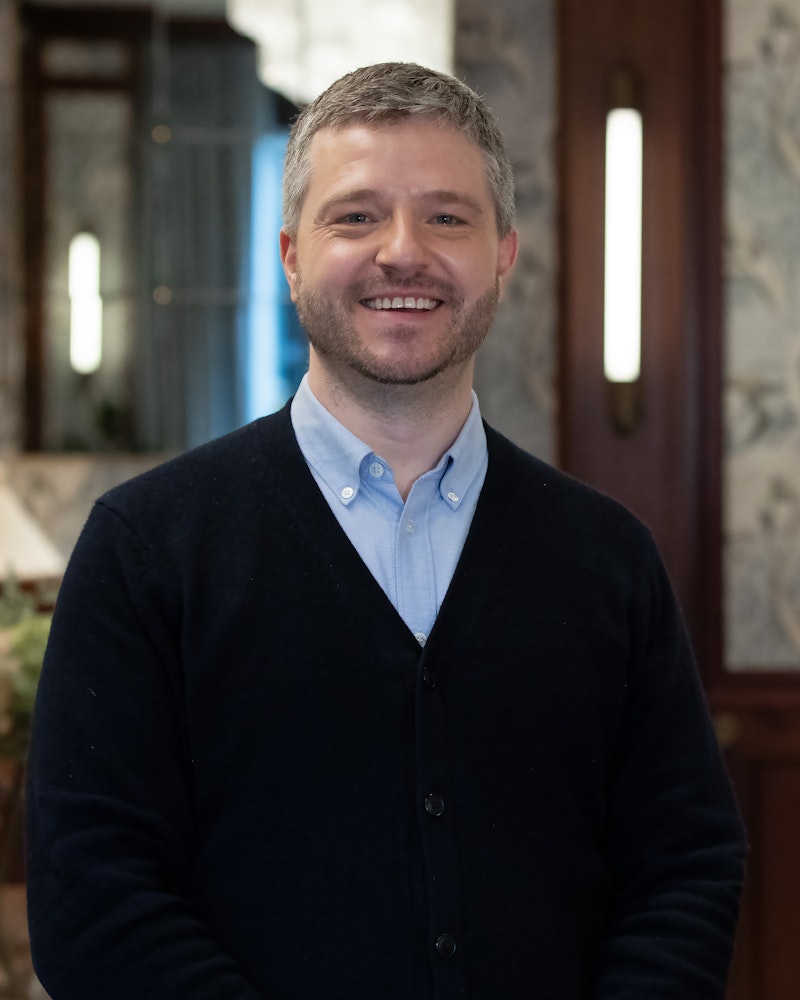
At first, support can feel noticeable. But as trust develops, we learn the small patterns, preferences and routines that make someone’s life their own. Over time, that knowledge becomes instinctive, allowing us to anticipate what might be helpful without making the support itself the focus.
One team sees the whole
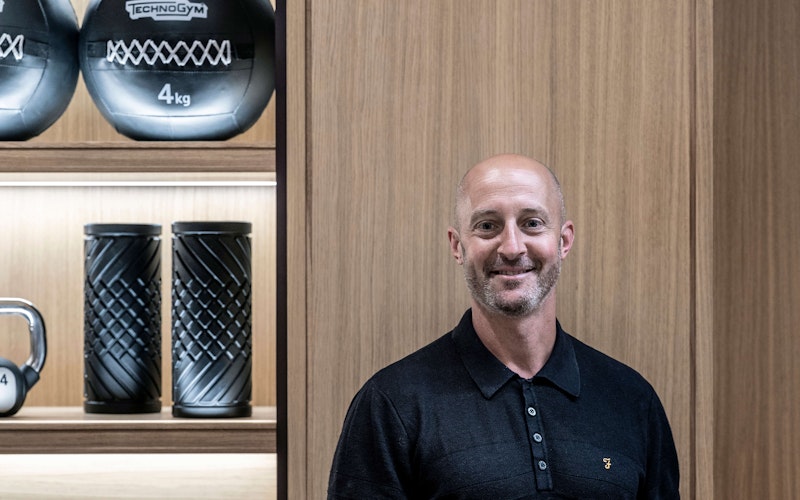
A clinical need rarely exists in isolation. Because Draycott, concierge, hospitality and wellbeing work together, knowledge can be shared and different expertise brought in as circumstances change. That might mean clinical care, but equally nutrition, movement or practical help. The important thing is that we are responding to the whole person.
The aim is always more
Support should give something back. It can increase when circumstances require it and step away again when they improve. We’ve seen residents regain possibilities they had lost and couples return to being partners rather than one becoming the other’s carer. Ultimately, success is about enabling people to do more of what they want to do.


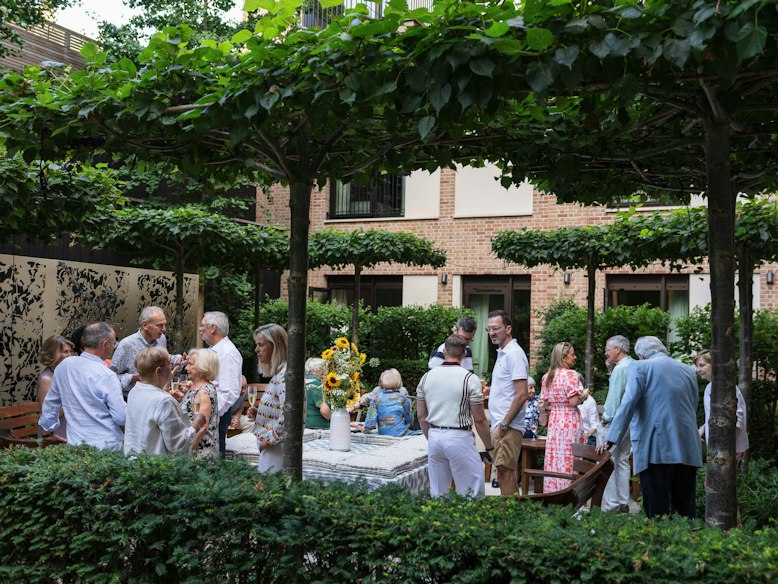
Perhaps the next step is simply to experience it
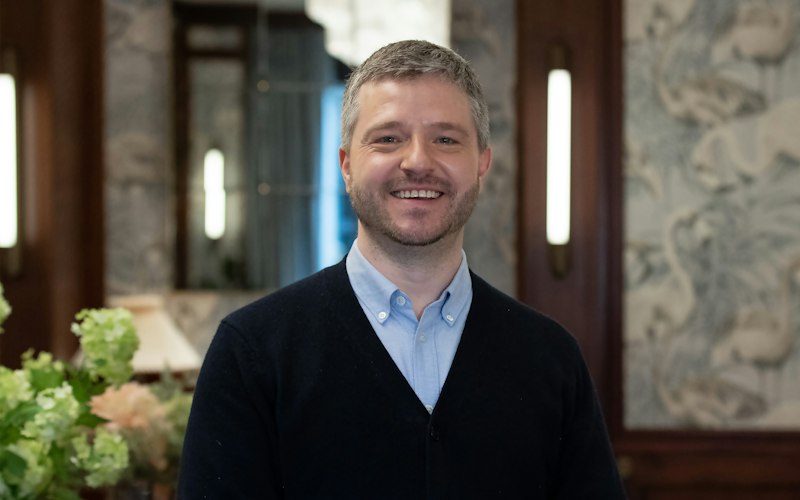
A conversation, coffee morning or visit can be a useful first step – an opportunity to experience Auriens without expectation and consider, in your own time, whether it might be right for you.
- Start a conversation
Company
Find Us
2 Dovehouse Street
London, SW3 6BF
020 4549 8000







Auriens is a member of ARCO, which represents Integrated Retirement Communities in Great Britain. As an ‘Approved Operator’, Auriens aims to comply at all times with the requirements of the ARCO Consumer Code.