- Visit us
- Call us:020 4549 8000
- Enquire online
Multigenerational living vs a retirement community: what's the real difference?

With multigenerational living on the increase in the UK (older relatives account for 14% of multi-generational set-ups – compared to 9% in 2016), you may be considering this as an option; if so, this piece will guide you through the considerations and how multigenerational living compares to a retirement community.
After reading, we hope you’ll feel more able to make a confident decision on which later living option is better suited to your needs and preferences. The guide will define both models, draw comparisons, and help you to understand how these apply to your circumstances.
Here’s what we’ll cover:
- What is multigenerational living?
- What is a retirement community?
- What are the key differences?
- Who is multigenerational living best suited to?
- Who is a retirement community best suited to?
- Which option is right for you?
What is multigenerational living?
Multigenerational living is when different generations of a family live in the same home, or in very close proximity. Often it’s imagined as an adult child moving back in with their parents, but older generations returning to live with their children or grandchildren is increasingly common.
This later life option is a norm in some cultures and has a suite of appealing benefits. It grants closeness to family and makes social interaction easier. It gives closer proximity to familial support, and it allows for continuity across generations. Living with relatives gives much more opportunity to spend time with them and share stories and wisdom than living apart, regardless of how strong relationships are.
Multigenerational living can see individuals living in a room and sharing common areas with their family, but options like annexes or outbuildings can afford more privacy. Herein lies one of the benefits of multigenerational living: its flexibility, and the ability to align things closely to the physical and privacy needs of everyone involved.
What is a retirement community?
A retirement community is designed to give people their own private home and the freedom to live independently, while providing a community and a range of services around them. People choose this type of living for many different reasons: to simplify the practicalities of everyday life, to meet more people, to pursue interests and activities, or simply to enjoy having support available without relying on family.
People choose retirement communities not because they can no longer manage independently, but because they want to shape their daily lives around the things that matter most to them. Integrated retirement communities feature independent apartments with shared amenities, and offer benefits like a community of peers and discreet, on-demand care.
To find more about retirement communities and different later live living options, please read our guide to retirement living.
What are the key differences?
Multigenerational living and retirement communities have several key differences, and each is worth considering honestly against your priorities and preferences before deciding where to live.
Independence and privacy
Multigenerational living often involves a degree of shared space and time spent together, often by choice. You opt for more contact with your family, but may experience less autonomy and privacy. This can change if you live in a private annex on your family’s property, for example, but applies to multigenerational living as it is most commonly understood.
A retirement community, on the other hand, offers complete independence. You have your own space, your own front door, and decide when and how you want to immerse yourself in social contact.
Social life and connection
Multigenerational living can make family connection a natural part of everyday life. Shared meals, conversations and spontaneous time together can be some of its greatest benefits. At the same time, family members will naturally have their own work, relationships, interests and commitments, so the rhythm of family life may change over time.
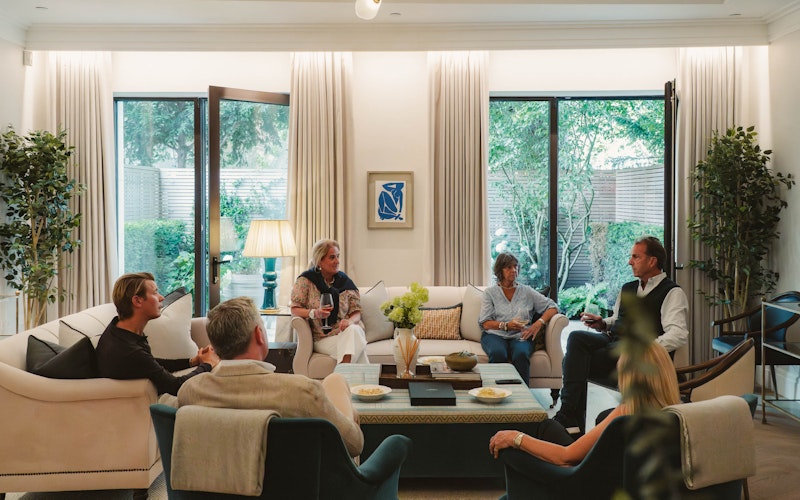
Retirement communities provide ready-built peer groups and opportunities for social activities and experiences. There are likely to be more people in the community than a multigenerational family home, which combines with structured social events to give more opportunities to socialise.
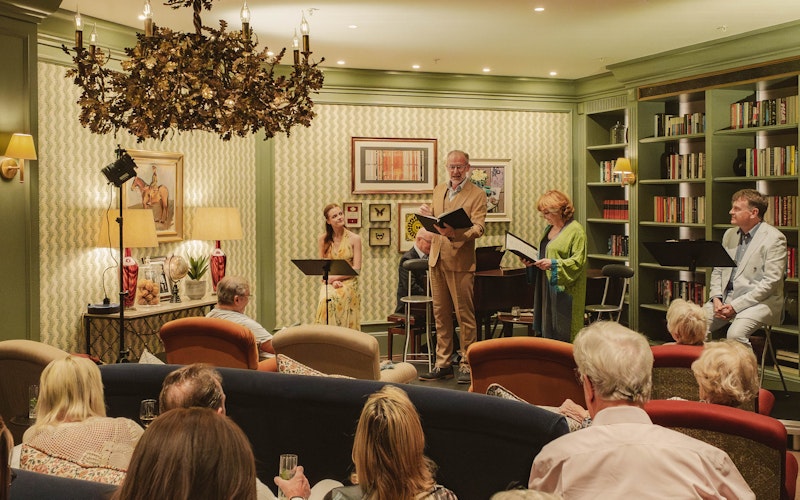
At Auriens we offer a rich cultural calendar of recitals, talks, events and more to ensure our residents can choose to immerse themselves in a stimulating and engaging social scene.
Day-to-day support and services
In a multigenerational home, family members may naturally support one another with everyday tasks or care. A retirement community provides an alternative, with practical services and support available around you rather than relying solely on family. At Auriens, this includes 24-hour concierge, chef-led dining, on-demand care and access to care through Draycott Nursing & Care, and more, meaning our residents’ domestic and logistical considerations are all taken care of.
Location and access to amenities
Multigenerational living will naturally be shaped by where your family lives, which may be restrictive depending on the type of life you want to live in your later years. With retirement communities, location is one of the considerations when deciding which community to live in, granting you more freedom to choose somewhere in close proximity to things that matter.
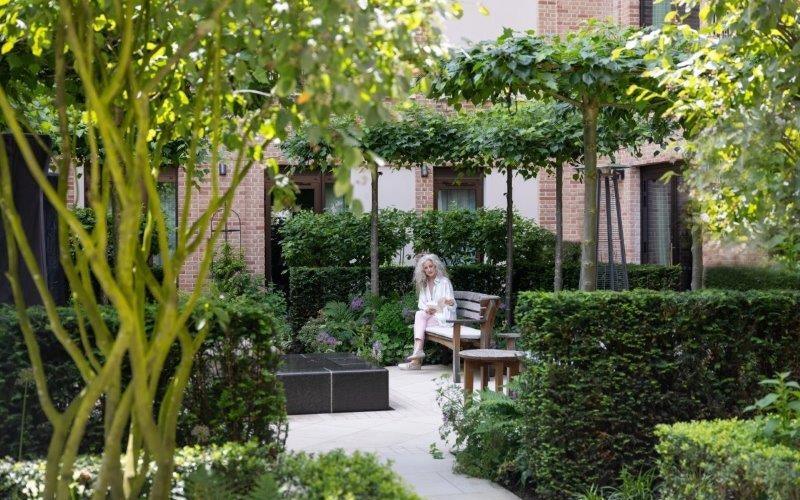
At Auriens Chelsea, for example, you are located in one of London’s most premium neighbourhoods, where culture, world-class dining, green spaces and a wealth of transport links are on your doorstep.
Who is multigenerational living best suited to?
This later life lifestyle suits individuals who are motivated by closeness and continuity, and who value shared daily life. If you place high value on being present for your grandchildren, for example, or on contributing to and deriving fulfilment from the atmosphere of a family home, it will likely feel like a good fit for you.
There are practical considerations worth thinking through carefully. Space may feel less private than other later life accommodation. The atmosphere may change as time goes on, especially as care needs evolve or other changes in family circumstances affect the way the household works. Multigenerational living therefore suits people who are committed to a process with ongoing, evolving considerations that may require readjustment over time.
Who is a retirement community best suited to?
This type of later life living suits individuals who value independence, active social lives, community, and the availability of discreet support when it is required. If you’d rather your relationship to the people closest to you be defined by the quality of time spent together rather than caregiving and logistics, this may be a better fit.
Which option is right for you?
Deciding where to spend your later life is a personal decision that requires thoughtful consideration. The right answer depends on your priorities as well as your health and care needs. The right choice depends on what matters most to you: your relationships, independence, privacy, interests, location and the level of support you want around you.
If you’re considering a retirement community, visiting in person is one of the best ways to understand whether it feels right for you. At Auriens we are proud to offer a try-before-you-buy system to let prospective residents experience life here before making a commitment. You can also learn more about how Auriens works, or read our guide to other retirement living options if you’d like to explore other alternatives.

Company
Find Us
2 Dovehouse Street
London, SW3 6BF
020 4549 8000







Auriens is a member of ARCO, which represents Integrated Retirement Communities in Great Britain. As an ‘Approved Operator’, Auriens aims to comply at all times with the requirements of the ARCO Consumer Code.