- Visit us
- Call us:020 4549 8000
- Enquire online
How to Make Friends and Find Community in Retirement and Later Life

But it can also bring social shifts: long-standing routines disappear, colleagues retire, and friends move away. For many, maintaining community thus becomes a conscious and important process.
The good news is that meaningful friendships in later life aren’t just possible - they’re a wellspring of wellbeing, confidence, and purpose. In this guide we’ll explore how to build and maintain fulfilling social connections during retirement and beyond, whether you're seeking casual companionship or deep new friendships.
Here's what this guide will cover:
- Why community matters in later life
- Practical strategies for building new connections
Why Community Matters in Later Life
Our need for social connection doesn’t go away with age. In fact, it often becomes more central as we begin to move away from the routines, careers and activities that were the source of community earlier in life.
Studies show that strong social bonds improve physical health, mental clarity, and overall happiness. For example.
- A study in the Journal of Health and Social Behaviour found that social integration supports physical and mental health across the lifespan
When familiar patterns shift in retirement, community becomes the new context through which many people find meaning. The conversations, shared experiences, and mutual support that arise from friendship are a powerful way to remind us that we’re part of something bigger, and that we’re still growing, evolving, and contributing.
Making friends in later life can feel different than it did in our school or working years. The routines and environments that once made connection easy may no longer be part of daily life. But while spontaneity may not feature as much, there are still plenty of opportunities.
Some common barriers include:
Overcoming these challenges starts with self-compassion and a reminder that building new relationships at any age is brave and rewarding. Seeking out community spaces, showing curiosity about others, and taking small steps outside of routine can make all the difference.
Even in later life, social connection can thrive. Building new friendships doesn't require dramatic steps: small, consistent actions can pave the way for meaningful and rewarding interactions. The strategies below can help spark new bonds and rekindle old ones.
Reconnect with your existing network
Sometimes the easiest path to companionship is through people you already know. Retirement is a natural moment to re-establish ties with old friends, extended family, or former colleagues who may have fallen out of your regular orbit.
A phone call or message - even after years of silence - can be surprisingly welcome. You could also suggest a small catch-up - perhaps over lunch - or revisiting a shared interest that once brought you together.
Join interest-based groups or clubs
From walking clubs to book groups, shared-interest activities are one of the most organic ways to meet people with similar values. Finding something you enjoy makes conversation easier and creates recurring opportunities to connect. Being a regular at a club also helps develop familiarity and comfort over time, which is key to growing new relationships.
Volunteer your time and skills
Giving back not only supports causes you care about, but also introduces you to others who value contribution and community. Whether it’s mentoring young people, helping in a charity shop, or supporting local events, volunteering builds meaningful connections. Many find fulfilment in trusteeships, advisory roles, or supporting cultural and philanthropic institutions close to home. It can also provide a regular rhythm to your week and a strong sense of shared purpose.
Attend classes, lectures, or cultural events
Lifelong learning remains a joy at any age. Attending courses, workshops, or talks can reignite passions and introduce you to likeminded people. Evening classes, museums, and even retirement communities often host engaging events. In areas such as Chelsea, opportunities for intellectual and artistic engagement are never far away. These settings provide natural conversation starters and opportunities to meet people who enjoy thinking and learning.
Say yes to social invitations
When invited to a gathering or activity, it can be tempting to decline out of habit or shyness. But saying yes, even just once, can lead to new rhythms, conversations, and future invitations. Even if you don’t know anyone well, showing up signals openness, and often that’s all it takes to start building something new.
Create your own opportunities
If you’re feeling ambitious, you could initiate new opportunities to connect. Hosting a salon-style supper, curating a small discussion group, or bringing neighbours together around a shared interest. If the opportunity you’d like doesn’t exist nearby, chances are others are looking for the same thing. Starting something new can feel bold, but it’s how new communities are born.
Use digital tools
Apps and online forums can connect you to local groups, events, or even pen pal-style friendships. While not a substitute for in-person connection, digital platforms can be useful stepping stones, especially for those with mobility considerations. Platforms like Meetup, Nextdoor, or interest-specific forums can help spark new connections from the comfort of home.
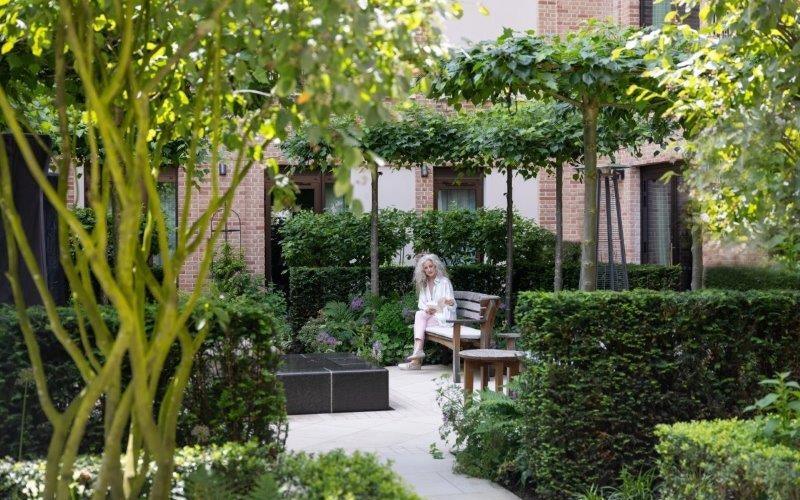
Where you live can make a profound difference to how easily you connect with others. Environments designed for later life - like Auriens- . integrate community into daily life through considered architecture and shared spaces.
When your surroundings make connection easy, spontaneous friendships flourish. You might strike up a conversation over lunch, find a walking partner in the garden, or attend a film screening with neighbours who become close companions. In these settings, social opportunity is the norm, not the exception.
At Auriens Chelsea, residents enjoy private, elegant apartments rooted in the heart of Chelsea and reflective of the area’s timeless character. Whether you prefer quiet companionship or lively gatherings, the environment flexes to your pace and preferences.
Our curated calendar of events includes concerts, talks, wellness sessions, and art evenings that reflect the cultural richness of London. Communal areas like the bar, restaurant, library, and garden provide space for shared moments, while amenities such as the spa and fitness centre encourage both self-care and social flow.
With a discreet concierge team, personalised wellness services, and support available when needed, residents can spend less time managing life’s logistics and more time nurturing relationships and interests that matter.
Making new friends in retirement doesn’t mean starting again, it means creating opportunities for a richer present. Whether by rekindling old connections or finding new ones, friendship in later life is a gift you can give and receive.
The first step is openness: try new things, ask questions, show up to places - even when it makes you feel uncomfortable. And in environments that make connection easier - from interest groups to lifestyle communities like Auriens - the journey quickly becomes not only possible, but joyful and meaningful.
For those who value both independence and belonging, discover how it works or get in touch to learn more about later life at Auriens.



Company
Find Us
2 Dovehouse Street
London, SW3 6BF
020 4549 8000







Auriens is a member of ARCO, which represents Integrated Retirement Communities in Great Britain. As an ‘Approved Operator’, Auriens aims to comply at all times with the requirements of the ARCO Consumer Code.